Condos
Buying a condo? Two questions to answer early.
 Holly Brumm Furdo, REALTOR®
October 7, 2026 3 min read
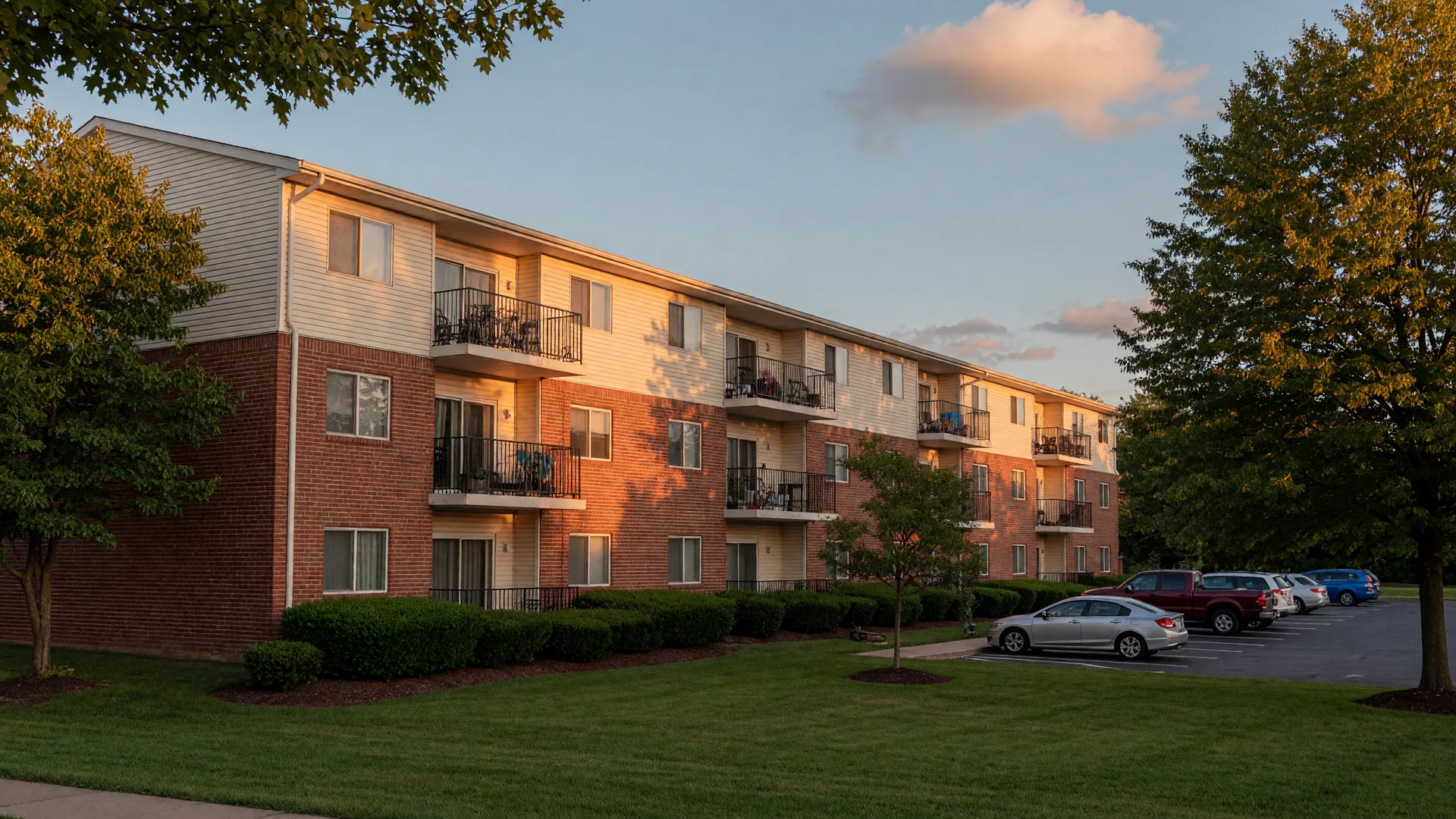
You found the condo. The one with the good light, the right layout, the price that fits. Before anyone starts planning the closing, there are two questions worth answering early, because both can change everything.
Question one: Is that preapproval actually going to work for this building?
Here's something that surprises a lot of first-time buyers: a preapproval letter is a lender's tentative willingness to lend, based on assumptions. It is not a guaranteed loan offer. The Consumer Financial Protection Bureau describes it exactly that way, tentative, based on assumptions.
And condos come with an extra layer. When you buy a condo, the lender isn't just looking at you and the unit. They also have to determine whether the building's project meets their requirements. Fannie Mae treats project eligibility as separate from your credit risk and separate from the appraisal of the individual unit.
So when someone says, "Another buyer just got a loan here," that's useful information to share with your lender. But it does not establish eligibility for your loan today. The scope of review varies by loan and project, and some transactions qualify for a project-review waiver. The right question to ask your lender: what applies to this property, and what is still unresolved?
Question two: What's really going on with the association, beyond the monthly fee?
The HOA dues tell you what you'll pay regularly. They don't tell you whether the association is adequately funded or whether a big expense is on its way. Freddie Mac encourages condo buyers to review the association's budget, reserve study, meeting minutes, and any special assessments. Those documents explain the financial commitments that come with the unit.
Three areas deserve an early conversation:
Association finances.
What do the budget and reserves show about ongoing expenses and future work? Low dues can look attractive without answering whether enough money is actually being collected for the property's needs.
Insurance.
Get the association's current master-policy information to your lender. Separately, talk with an insurance professional about coverage for your own unit. The two policies serve different purposes, and the coverage details matter.
Building issues and assessments.
Ask about planned or current assessments, major work, inspection reports, and pending litigation. Ask for the underlying documents rather than relying on a verbal "everything's being handled."
One important note: a special assessment does not automatically make a project ineligible. But under Fannie Mae's rules, an assessment tied to an unresolved critical repair does. The lender needs to understand what the assessment funds and whether the underlying issue has been resolved. That's why "the seller will pay the assessment" may answer a negotiation question without settling the financing question.
Start with the address and the right contact.
As soon as you're serious about a condo, send your lender the property address, the project name, and the association or management company's contact information. Ask which documents are needed and who will obtain them. Before you make plans around financing or document deadlines, get a clear status update: has the lender completed the applicable review, or are they still waiting on information? A missing document and a confirmed eligibility problem call for very different next steps.
Keep the whole decision in view.
Loan eligibility is only part of the decision. Even if the lender is satisfied, you still want to understand the community's rules, financial obligations, and condition. And if you're paying cash, the mortgage review goes away, but those ownership considerations don't.
My job is to get the right information in front of you and the professionals reviewing it, early enough that you can make a considered decision. The preapproval letter gets the search moving. Before everyone starts planning the closing, let's make sure the conversation includes the condo project itself.
Thinking about a condo? Let's talk through the two questions above, and I'll connect you with a lender who can tell you exactly what applies to the building you're looking at. Just reach out.
Sources: Consumer Financial Protection Bureau, "Get a preapproval letter"; Fannie Mae Selling Guide B4-2.1-01 and B4-2.1-03; Freddie Mac, "What You Should Know About Buying a Condo."
Written by
Holly Brumm Furdo
Northwest Indiana REALTOR® • My First Home NWI
Holly specializes in first-time buyers but is a full-service residential REALTOR® who also represents sellers, growing and move-up families, relocation buyers, new-construction buyers, and downsizers across Lake, Porter, and Newton Counties. My First Home NWI is her first-time homebuyer resource, and she'd love to help you with wherever you are in the process.
Your next step
Curious which town fits you? Let's talk about it.
I've helped plenty of Chicago-area buyers find their first home in Northwest Indiana, and our first conversation is free, friendly, and completely obligation-free. You tell me where you are, I tell you what comes next, and we both leave a little more excited.
More from the blog
All posts
Relocation
Moving from Chicago to Northwest Indiana: What First-Time Buyers Should Know
The honest commute math, the towns worth a first look, and how buying in Indiana is different for Chicago-area first-time buyers.
Buyer Programs
Indiana First-Time Homebuyer Programs: Down Payment Assistance, Explained in Plain English
Indiana's IHCDA runs down payment assistance and first-time buyer programs that can help. Here's how they work, who they're for, and how to start.
Closing Costs
How Much Are Closing Costs for a First-Time Buyer in Indiana?
Plan for roughly 2% to 5% of the purchase price on top of your down payment. Here's what is inside that number and how to budget for it.

Credit & Pre-Approval
What Credit Score Do You Need to Buy a First Home in Indiana?
The honest score ranges, what lenders actually look at, and how to spend the months before buying improving your file.
Credit & Pre-Approval
Mortgage Pre-Approval, Explained: A First-Time Buyer's Guide for Northwest Indiana
Pre-approval is the lender's letter that turns 'someday' into a plan. What it is, what your lender asks for, and why it belongs before the house hunt.
Communities
Which Northwest Indiana Town Is Right for You? A First-Time Buyer's Guide to Lake, Porter, and Newton Counties
Crown Point's brick square, Munster's new train station, Valparaiso's college town, Chesterton's dunes, Kentland's farm country. How to pick the NW Indiana town that fits your life.

Down Payments
How Much Do You Really Need for a Down Payment on a First Home in Indiana?
Hint: it's not 20%. The real minimums, what they look like in Northwest Indiana dollars, and how IHCDA assistance can shrink the number further.
New Construction
New Construction vs. Existing Homes: Which Fits Your First House in Northwest Indiana?
New build or resale? Compare timelines, costs, and warranties, with an honest look at where Northwest Indiana's newest homes are and what first-time buyers should watch for.
Buying Process
What a Home Inspection Covers (and Costs) in Indiana: A First-Time Buyer's Guide
Indiana home inspections typically run $300 to $500. Here's what a licensed inspector checks, what it doesn't cover, and the local things NWI first-time buyers should watch for.

First-Time Buyer Basics
Renting vs. Buying in Northwest Indiana: The Honest Math for First-Time Buyers
The honest rent-versus-buy math for first-time buyers across Lake, Porter, and Newton Counties, with real NWI rent numbers and the costs that actually move the decision.

Communities
Buying Your First Home in Newton County, Indiana: What First-Time Buyers Should Know
The honest first-time buyer guide to Newton County: what your money buys, wells and septic, the commute to Chicago, and life in Kentland, Morocco, Brook, and beyond.
Communities
Buying Your First Home in Valparaiso: What Porter County's College Town Is Really Like
The honest first-time buyer guide to Valparaiso: what the Porter County college town is like to live in, how the budget works for first-time buyers, and where to start.

Loan Basics
FHA vs. Conventional Loans for a First-Time Buyer in Indiana: Which One Fits You?
The honest difference between FHA and conventional loans, what each really costs over time, and how the choice plays out across Northwest Indiana towns.

Communities
Buying Your First Home in Crown Point: What Northwest Indiana First-Time Buyers Should Know
The walkable square, the strong schools, the commute to Chicago, and the honest picture of what a first home in Crown Point actually involves.

Buying Process
Making Your First Offer in Northwest Indiana: Earnest Money, Appraisals, and Contingencies
You found the house and you're pre-approved. Here's what earnest money, contingencies, and appraisals actually do when you make your first offer.