
Buying Process
Making Your First Offer in Northwest Indiana: Earnest Money, Appraisals, and Contingencies
 Holly Brumm Furdo, REALTOR®
November 24, 2026 5 min read

You found the house, you're pre-approved, and now it's time to write an offer. For most first-time buyers in Northwest Indiana, this is the most mysterious step in the whole journey, because earnest money, contingencies, and appraisals do a lot of quiet heavy lifting behind the scenes. I'm Holly Brumm Furdo, the Northwest Indiana REALTOR® behind My First Home NWI, and in this post I'll walk you through what actually happens when you make your first offer, what your deposit protects, and what can go right (or wrong) along the way.
What earnest money actually is
Earnest money is a good-faith deposit you make once your offer is accepted. It's a way of telling the seller, "I'm serious, this contract is real." The Consumer Financial Protection Bureau describes it simply: it's a deposit you pay to show good faith on a signed purchase agreement. The money is held in escrow, usually by a title company or the listing brokerage here in the Region, and it is never an extra fee. At closing it's credited straight back toward your down payment or your closing costs.
Here's the part that surprises a lot of first-time buyers: your earnest money is protected, but only for the reasons written into your contract. If the sale closes, it applies to your purchase. If the transaction ends for a reason the contract allows, you get it back. If you walk away for a reason the contract doesn't cover, the seller may be entitled to keep it. That's why the contingencies in your offer matter so much.
How much earnest money do Northwest Indiana buyers put down?
There is no set legal amount in Indiana; it's whatever you and the seller agree on in the purchase agreement. In Northwest Indiana, I most often see earnest money around 1% of the purchase price, and for many of the modest first-time price points across Lake, Porter, and Newton Counties, sellers commonly accept flat deposits in the low hundreds to around two thousand dollars. Your agent can help you gauge what's competitive for the specific home, because a serious-looking number can matter when you're up against other offers.
A practical note from Holly
Don't obsess over making the biggest deposit you can. Make a sincere, reasonable one, keep the funds ready and available, and let your winning offer carry the conversation. Your lender and I will help you line up the exact amount before we write it.
The three contingencies that protect your deposit
A contingency is a condition that must be met for the contract to move forward, and it is also your escape hatch with your earnest money intact. Almost every first-time offer in Northwest Indiana includes these three:
- The financing contingency: your offer is conditioned on you actually getting a mortgage. If your financing falls through for a reason outside your control, you can back out and keep your deposit. This is why lenders urge you not to rely on a verbal "you're good" before this contingency expires.
- The inspection contingency: you get a professional home inspection within a set window, and the findings can let you negotiate repairs or cancel the sale entirely.
- The appraisal contingency: your offer is conditioned on the home appraising for at least the agreed price, because your lender won't lend more than the home is worth.
Depending on the terms of your specific purchase agreement, inspection findings can let you negotiate who pays for repairs, or cancel the sale and have your earnest money returned. Treat the inspection as your chance to learn, not to nitpick: every used home has something, and the goal is a house that's safe, sound, and fairly priced, not perfect.
Inspection vs. appraisal: they're different
Buyers often mix these up, and it's worth getting straight. Your lender generally requires an appraisal, which is an independent opinion of the home's market value done for the bank, and you must be sent a copy of it. A home inspection is a separate, physical condition review you commission yourself to find problems, from a leaky roof to an aging furnace. Per the CFPB, you generally need both: the appraisal protects the lender (and you) on value, and the inspection protects you on condition.
What if the appraisal comes in low?
It happens, and it's not the end of the world. If the appraisal comes in below your agreed price, you can negotiate with the seller to lower the price, bring more to the table, or, if your appraisal contingency allows it, cancel and get your earnest money back. Your agent walks you through your options for the specific number.
Local insight: how it actually goes in the Region
In my experience across Crown Point, Schererville, Munster, Valparaiso, Lowell, and the surrounding communities, the offers that win for first-time buyers aren't always the highest number. Sellers here respond to a clean, well-prepared offer with a short option period, a pre-approval from a local lender, and a buyer who clearly understands the process. I've watched buyers lose a home they loved over a sloppy one-paragraph offer, and I've watched first-timers beat out cash investors because they came in ready, organized, and genuinely eager to be neighbors.
That local knowledge matters in the timing too. In quicker-moving corners of Lake and Porter Counties, a strong first offer matters because you may not get a second shot at the same home. In calmer pockets of Newton County, sellers are often more patient and willing to negotiate a fair deal over weeks rather than hours. Knowing which situation you're in is exactly where a local agent earns their keep.
Learn more and verify the numbers
I'm a REALTOR®, not a mortgage lender, and mortgage rules and programs change. Treat everything here as a starting point, not a promise: only a qualified lender who looks at your credit, income, and purchase price can tell you what you actually qualify for and what your closing funds will look like. For trusted guidance, the CFPB's homebuying resources explain earnest money and the buying steps, and I'll walk you through the offer details line by line before we ever put them on paper.
And when you're ready, here's your next step: reach out and let's start the conversation. You can ask me anything on the contact page, grab my free 8-step first-time buyer guide, or download the buyer guide PDF to keep handy. However you're starting, I'm here for it, just like every buyer I've helped make their first offer across the Region.
Written by
Holly Brumm Furdo
Northwest Indiana REALTOR® • My First Home NWI
Holly specializes in first-time buyers but is a full-service residential REALTOR® who also represents sellers, growing and move-up families, relocation buyers, new-construction buyers, and downsizers across Lake, Porter, and Newton Counties. My First Home NWI is her first-time homebuyer resource, and she'd love to help you with wherever you are in the process.
Your next step
Curious which town fits you? Let's talk about it.
I've helped plenty of Chicago-area buyers find their first home in Northwest Indiana, and our first conversation is free, friendly, and completely obligation-free. You tell me where you are, I tell you what comes next, and we both leave a little more excited.
More from the blog
All posts
Relocation
Moving from Chicago to Northwest Indiana: What First-Time Buyers Should Know
The honest commute math, the towns worth a first look, and how buying in Indiana is different for Chicago-area first-time buyers.
Buyer Programs
Indiana First-Time Homebuyer Programs: Down Payment Assistance, Explained in Plain English
Indiana's IHCDA runs down payment assistance and first-time buyer programs that can help. Here's how they work, who they're for, and how to start.
Condos
Buying a condo? Two questions to answer early.
Will your preapproval work for this building, and what's really going on with the association? Two questions to ask early when you buy a condo.
Closing Costs
How Much Are Closing Costs for a First-Time Buyer in Indiana?
Plan for roughly 2% to 5% of the purchase price on top of your down payment. Here's what is inside that number and how to budget for it.

Credit & Pre-Approval
What Credit Score Do You Need to Buy a First Home in Indiana?
The honest score ranges, what lenders actually look at, and how to spend the months before buying improving your file.
Credit & Pre-Approval
Mortgage Pre-Approval, Explained: A First-Time Buyer's Guide for Northwest Indiana
Pre-approval is the lender's letter that turns 'someday' into a plan. What it is, what your lender asks for, and why it belongs before the house hunt.
Communities
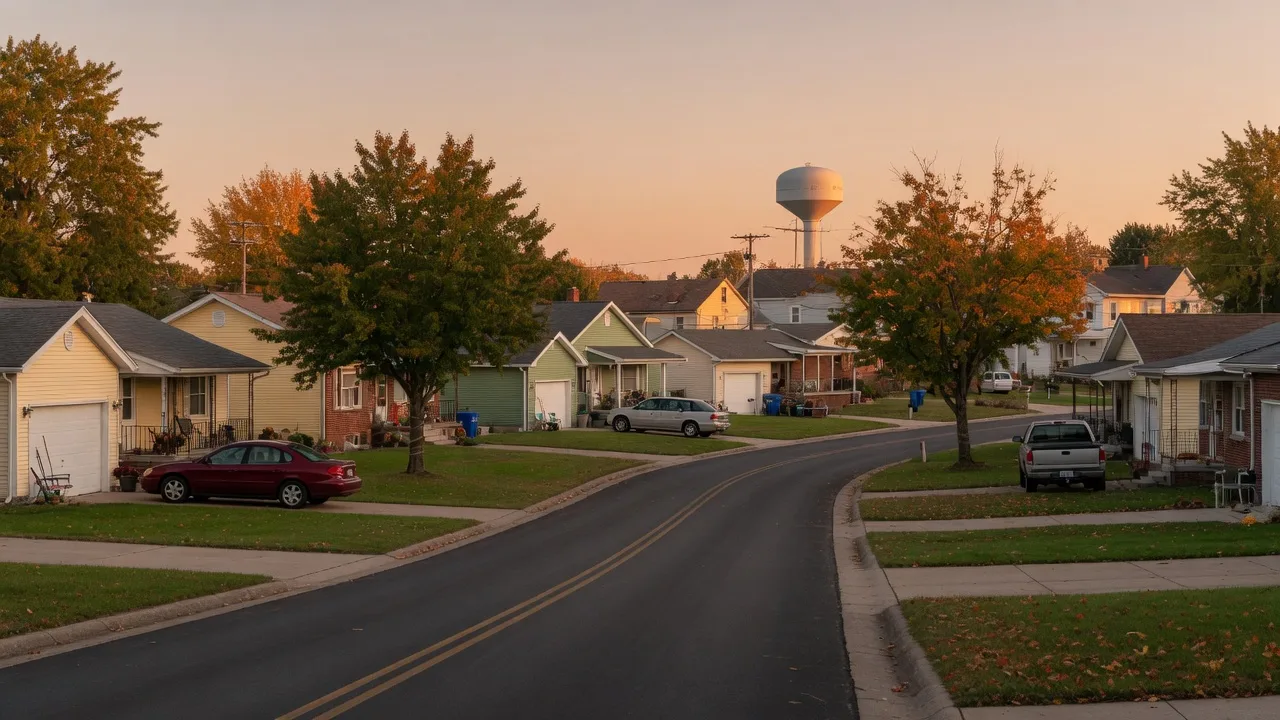
Which Northwest Indiana Town Is Right for You? A First-Time Buyer's Guide to Lake, Porter, and Newton Counties
Crown Point's brick square, Munster's new train station, Valparaiso's college town, Chesterton's dunes, Kentland's farm country. How to pick the NW Indiana town that fits your life.

Down Payments
How Much Do You Really Need for a Down Payment on a First Home in Indiana?
Hint: it's not 20%. The real minimums, what they look like in Northwest Indiana dollars, and how IHCDA assistance can shrink the number further.
New Construction
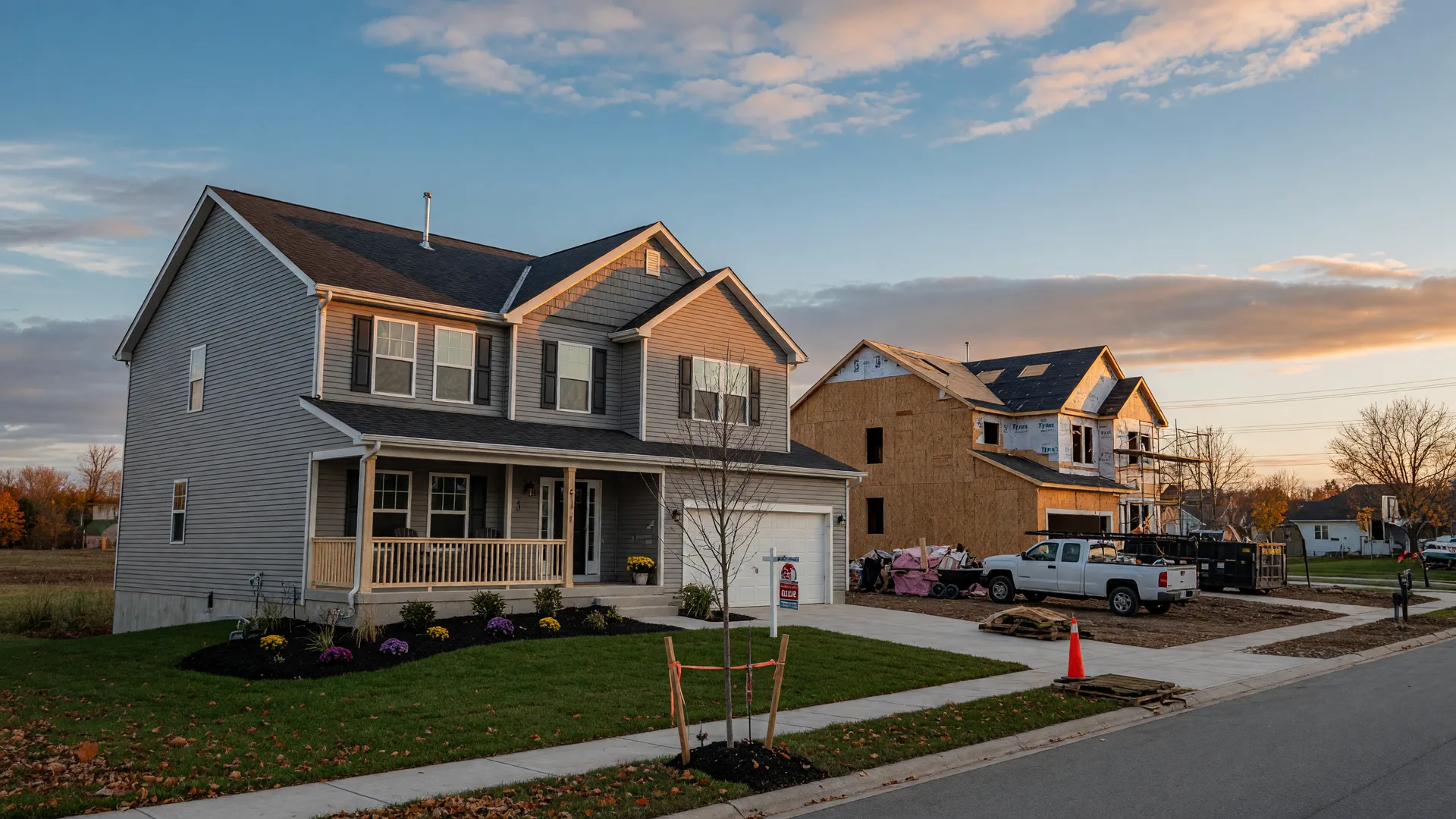
New Construction vs. Existing Homes: Which Fits Your First House in Northwest Indiana?
New build or resale? Compare timelines, costs, and warranties, with an honest look at where Northwest Indiana's newest homes are and what first-time buyers should watch for.
Buying Process
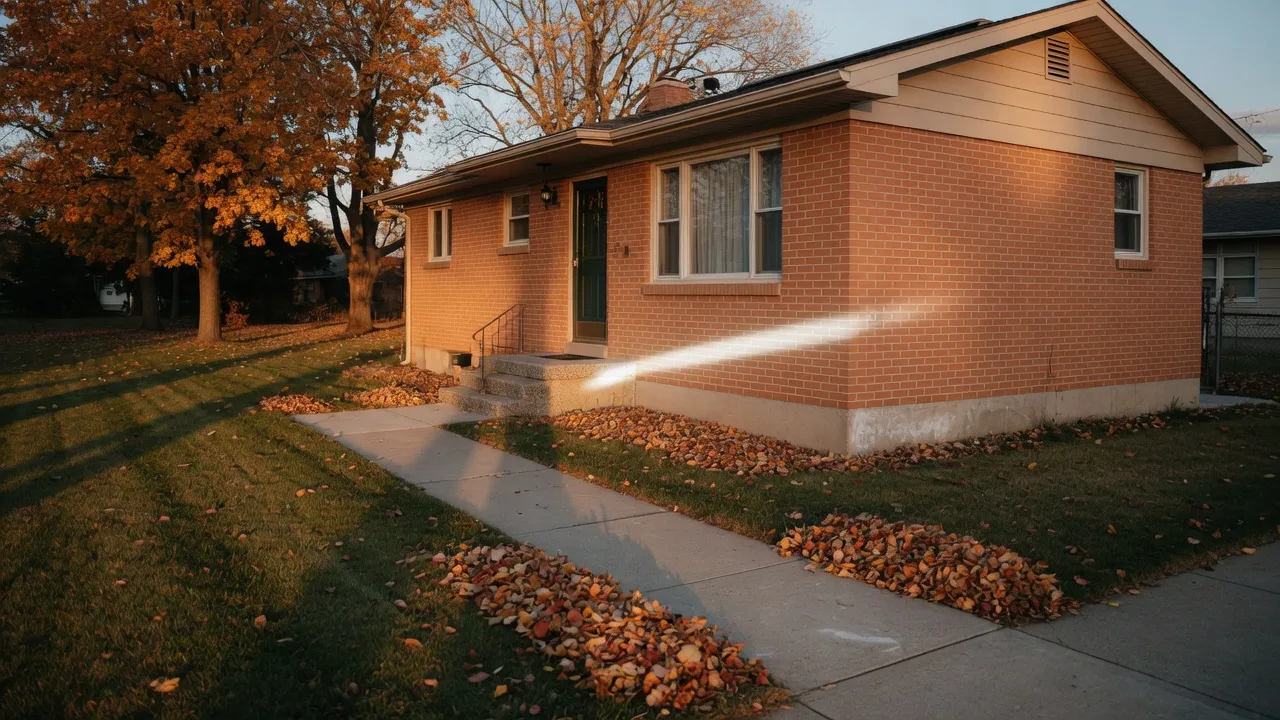
What a Home Inspection Covers (and Costs) in Indiana: A First-Time Buyer's Guide
Indiana home inspections typically run $300 to $500. Here's what a licensed inspector checks, what it doesn't cover, and the local things NWI first-time buyers should watch for.

First-Time Buyer Basics
Renting vs. Buying in Northwest Indiana: The Honest Math for First-Time Buyers
The honest rent-versus-buy math for first-time buyers across Lake, Porter, and Newton Counties, with real NWI rent numbers and the costs that actually move the decision.

Communities
Buying Your First Home in Newton County, Indiana: What First-Time Buyers Should Know
The honest first-time buyer guide to Newton County: what your money buys, wells and septic, the commute to Chicago, and life in Kentland, Morocco, Brook, and beyond.
Communities
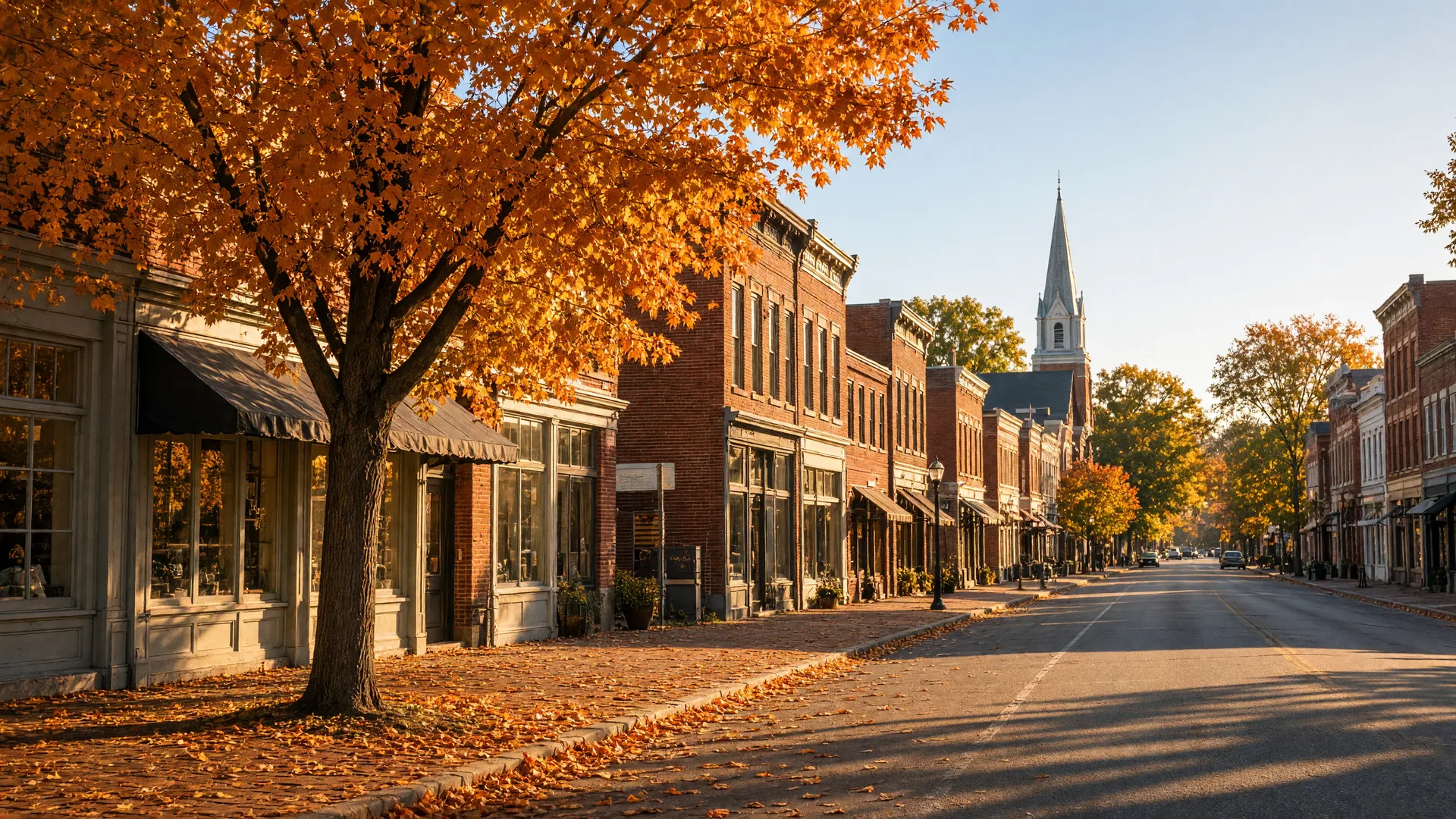
Buying Your First Home in Valparaiso: What Porter County's College Town Is Really Like
The honest first-time buyer guide to Valparaiso: what the Porter County college town is like to live in, how the budget works for first-time buyers, and where to start.

Loan Basics
FHA vs. Conventional Loans for a First-Time Buyer in Indiana: Which One Fits You?
The honest difference between FHA and conventional loans, what each really costs over time, and how the choice plays out across Northwest Indiana towns.

Communities
Buying Your First Home in Crown Point: What Northwest Indiana First-Time Buyers Should Know
The walkable square, the strong schools, the commute to Chicago, and the honest picture of what a first home in Crown Point actually involves.